


* ˚ ✦ East/West is a newsletter about the cultural roots of wellness and the tangible effects of wellbeing. Thank you for sharing, clicking ♡, and commenting on this post — you are keeping this project alive.
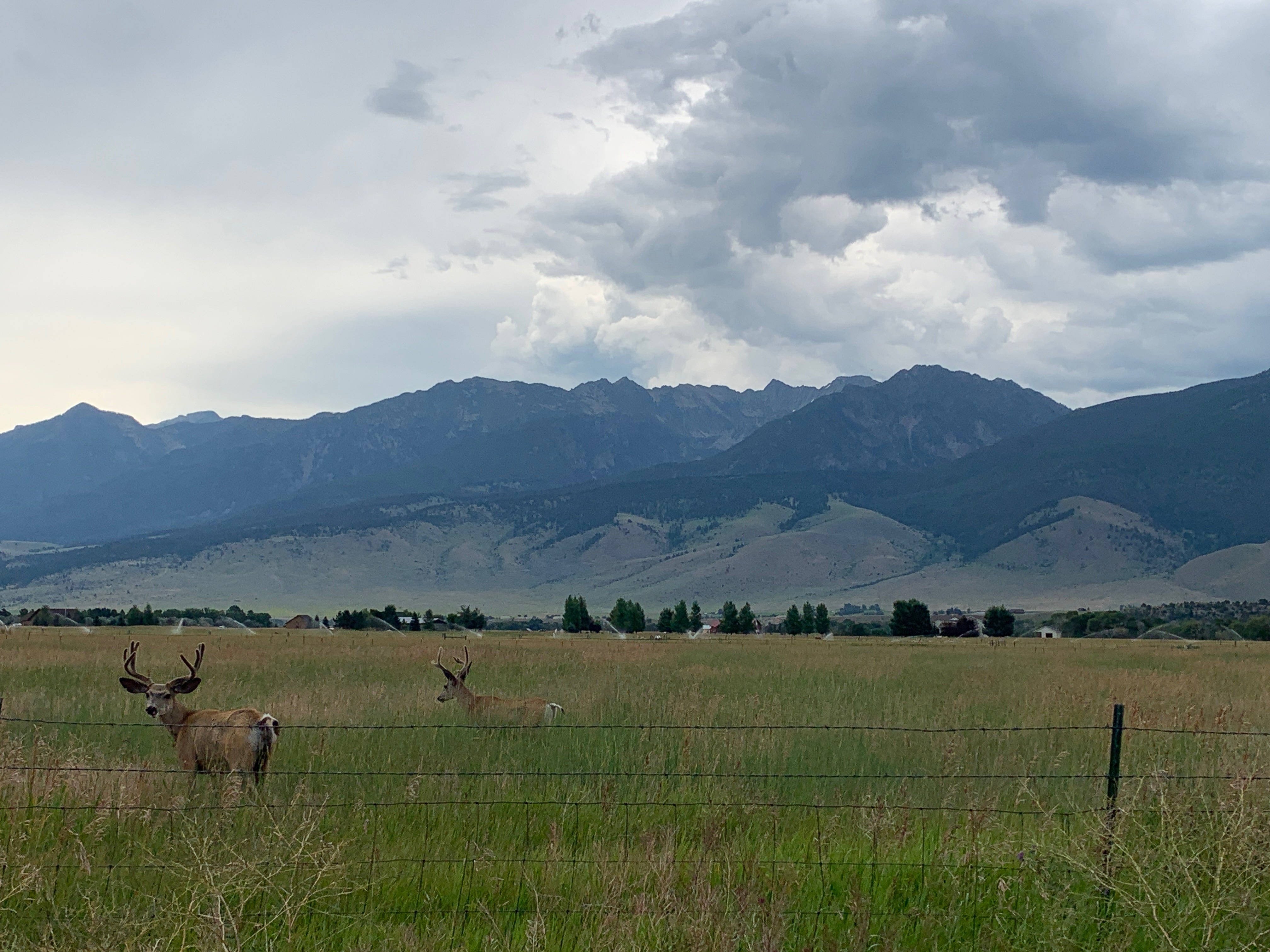
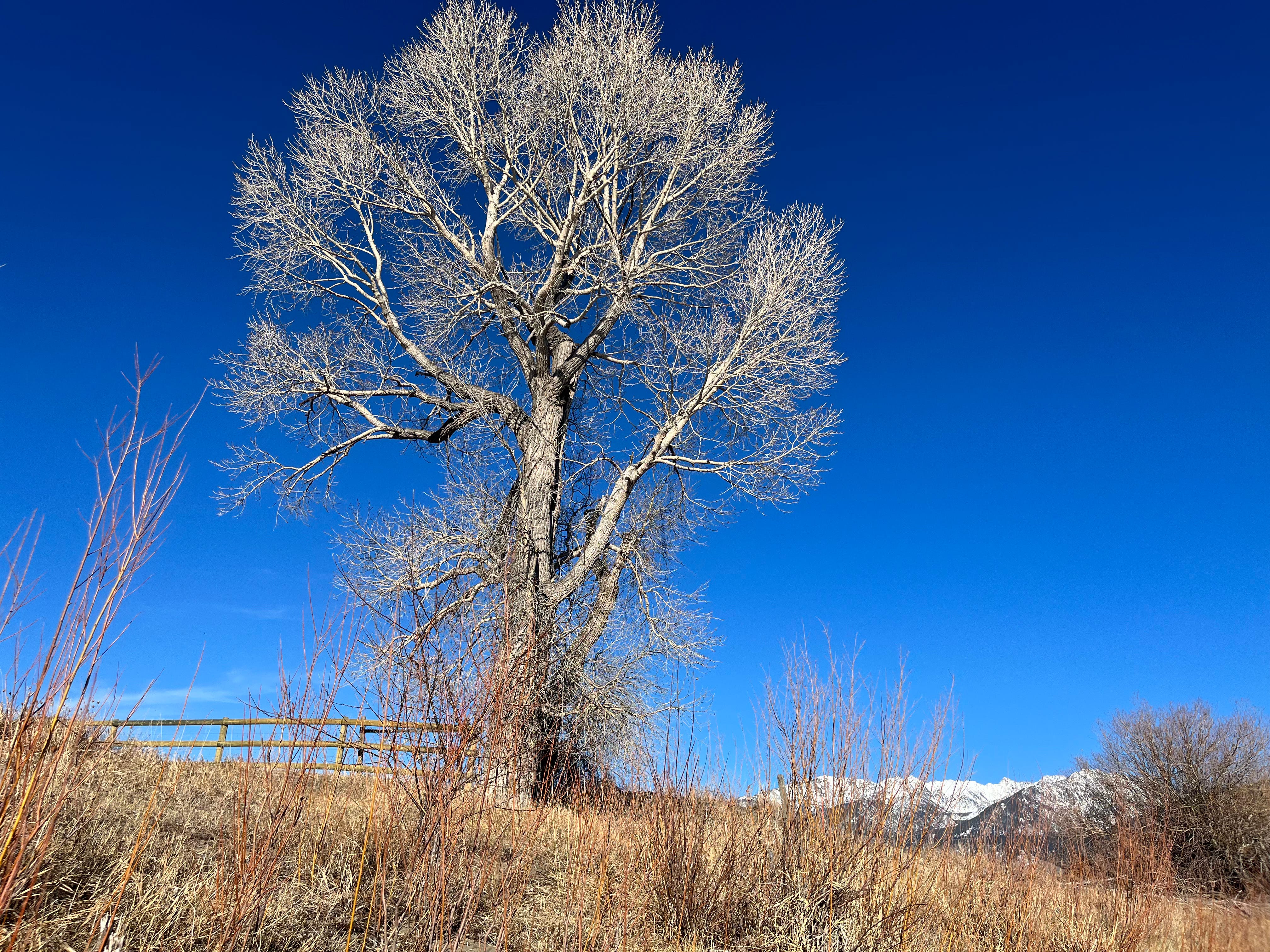
In spring the insects start crawling and the cottonwood leaves bloom from their trees. Breaking through the bark. There is a pair of peacocks that lives in the evergreen trees behind my house, next to the nursing home. I hear them make sounds like cats. It used to confuse me — where is the stranded cat? I’d ask — but now I take the sound as a secret, bestowed. I know its source.
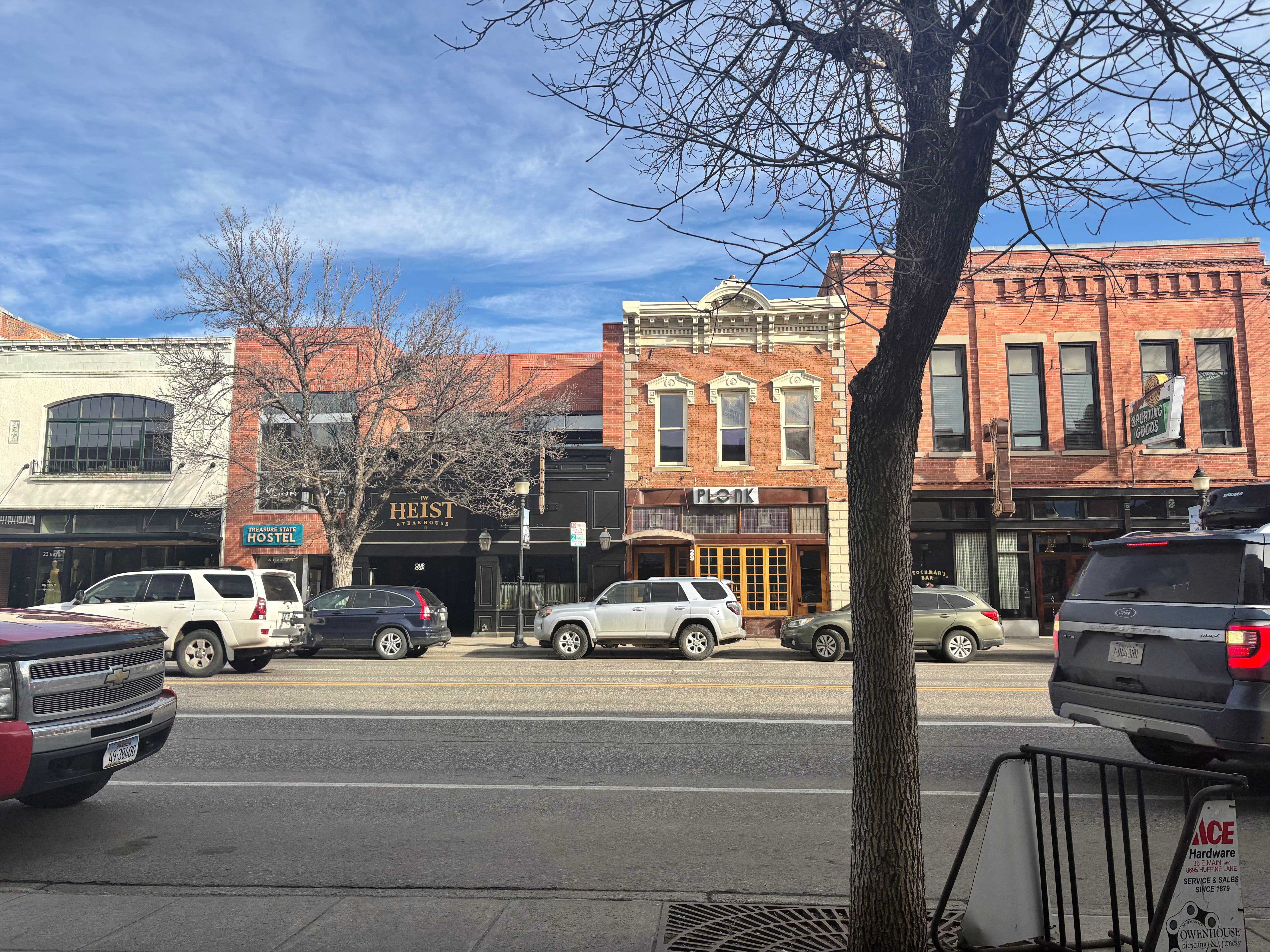
The Main Street of Bozeman, Montana, roars to life. People are sitting on benches and young women don tube tops to the pub. Folks who do not look like they live here stand outside stores and solicit passersby for signatures for various causes. Men in durags blast through the strip, raring their engines as they go. Dogs idle outside coffee shops, tied to poles by a string. Grandmothers roll strollers with their precious cargo, avoiding the vagrants who insist on conversation. The people are waking up.
My brother is on the brink of meeting his first child, and I am on the brink of getting married. This makes me very emotional, and I tell friends and acquaintances this all the time. “I will meet my nephew in one month — I’m pretty emotional about it,” I’ll say. As soon as I say the words I recognize them as dead language. The words don’t seem to carry anything. You could almost call them a deflection, a way out.
But I am emotional, and I know this because of the way that the slightest and most simple moments bring tears to my eyes. It’s not about anything grand, really. In fact, it’s the opposite of that: it’s just about change, about the motions of life.
Wedding planning does not make me emotional, but all of the family members who swelled up in the aftermath of the engagement do. They express such happiness, such unparalleled joy, in assuming the task of helping two people, a young man and a young woman, build a life.
The older I get the more I am beginning to understand myself as someone fundamentally shaped by the fact that I have a good family. I don’t mean to say I have a perfect family. I just had people who — early on and continuing still — were unfailingly generous with me. They were generous in love and in spirit.
I lie in bed reading William Kittredge. I love the honesty of his opening line: “Our ideas of paradise, it is said, originate in childhood.”
I used to think that childhood came and went — one shot for each of us. But now I know that childhood begins again when you give it to someone else.
My mom sends me photos of the moringa plants she has been growing from scratch. A couple of weeks ago she bought a pack of seeds. At her house, she swaddled the seeds in damp paper towels and waited for them to germinate. Now they are growing on their own in delicate little pots. She says she’s saving one for me and I’ll tend to it, when spring fully arrives, on our back porch.
There is global turmoil and it’s hard to feel removed from it. I used to find it easy to not discuss politics or the state of world affairs at social engagements, but now I find myself feeling bored, and fake, to not state the obvious. There is death and destruction in the world. Darkness. In the mornings I often pray for truth to be revealed, and then I remind myself that truth has already won. I believe that.


I believe this is the source of the emotions: the fact that all of this can be true. The preciousness of life; its fragility. The violence toward life doesn’t make the life any less sacred. Instead, I think, it makes protection of life paramount. I’m thinking about all of this on the eve of spring. About the turning of the clocks, about the way we can never go back. The beauty in that. Like the fox that wound through my parents’ property three springs ago, the way I will never stamp that fox from my memory, its ephemerality. Or the yellow-flowered weeds that arrive every spring, when the valley turns green. The carcass of a mule deer that washed ashore the riverbank and sat there, caught on the rocks, for weeks. The way that, when spring came, the river washed it away.✦˚*
By The Way: Writers Wanted
As many of you know, I’ve been teaching writing at Montana State University here in Bozeman for the past couple of years. Recently, I’ve been dreaming up new ways to share my love for writing outside of the traditional writing contexts (i.e., classrooms).
So... I want to work with you (yes, you!) on your writing.
Here's the deal:
I'm opening up 10 slots on my calendar for a free writing session with me — all you have to do in exchange is answer a few market research questions from me. This is for both a) newcomers who have always secretly wanted to experience the power of writing and b) folks who have an established writing practice and are working on a specific project, and c) anyone in between!
Here are some topics we could cover:
* developing a vision and clarity for your writing project
* crafting, refining, and getting your work out into the world
* building a sustainable writing routine (even if you're not a "writer")
* and more!
Sound like a good way to spend an hour of your week? Comment " ✏️ " or DM me & we'll put it on the calendar!
Recommended Reading:
What Regulating Your Nervous System Actually Means with Chelsee Joel

* ˚ ✦ East/West is a newsletter about the cultural roots of wellness and the tangible effects of wellbeing. Thank you for sharing, clicking ♡, and commenting on this post — you are keeping this project alive.
Eating, Ancestrally

Mixing food and emotions has gotten an unnecessarily bad rep. We talk pejoratively about “eating your feelings”; dietitians opine on how unhealthy it is to pass judgement on food, to label some of it “good” and some of it “bad.”

It's funny; sometimes we speak words and they feel dead in comparison to our emotions. Sometimes we speak words and they bring to life emotions we didn't even realize we had.
Thank you for this beautiful piece.
Surya, can I ask what you mean by dead language?